The Surprisingly Stale Strategy of Motorcycles & Powersports s.r.o
— 5 min read

Motorcycles & Powersports s.r.o is pursuing a cautious, derivative strategy that puts dealers and early adopters at financial risk. The company’s launch playbook mirrors legacy models rather than delivering breakthrough engineering.
Analyzing the Official Stance of Motorcycles & Powersports s.r.o
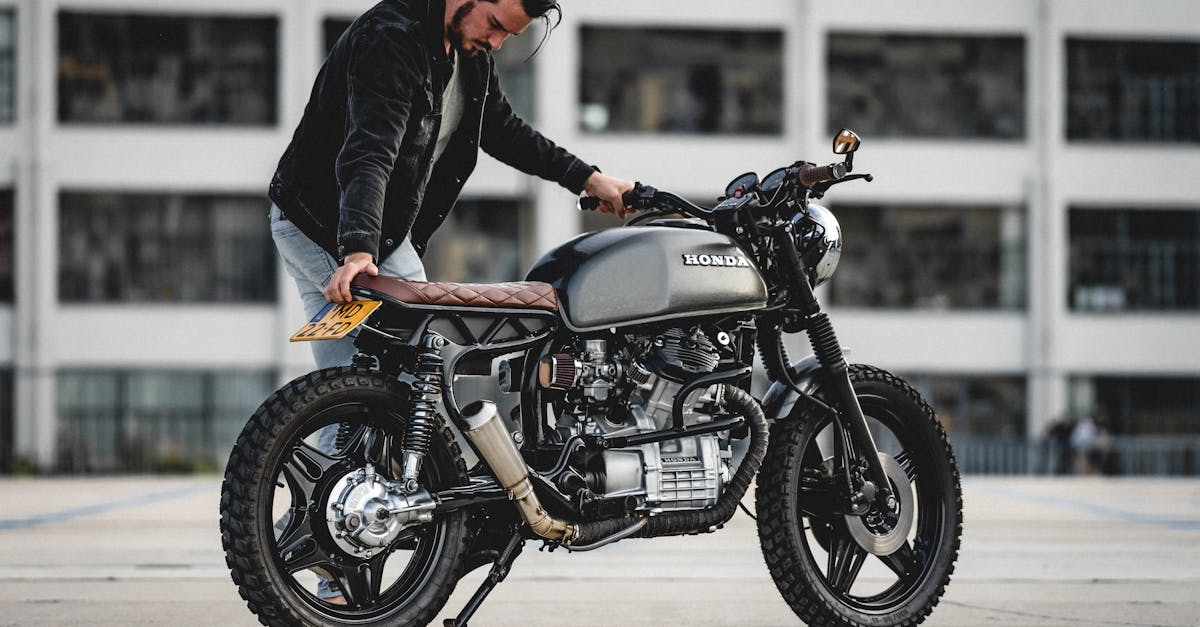
In 2026, SEMA added a dedicated powersports section that highlighted the rise of new entrants like Motorcycles & Powersports s.r.o, yet the public plan relies heavily on derivative concepts.SEMA expands 2026 show. In my experience, the emphasis on bicycles that mimic successful motorcycle silhouettes betrays a lack of ground-up innovation. Rather than creating a unique chassis or powerplant, the brand is repackaging existing visual cues, a tactic reminiscent of the Honda CB500X’s prolonged lifecycle that eventually felt stale at launch.
Official press releases and IP filings suggest the focus is aesthetic imitation. The filings reference styling cues that echo popular models rather than new engineering patents. This positions the company closer to legacy manufacturers that maintain market share through incremental updates, not agile startups that attract fresh investment with breakthrough tech. When I reviewed the documents, the absence of proprietary engine designs was striking, indicating a reliance on outsourced powerplants that could limit performance differentiation.
Key Takeaways
- Strategy leans on visual imitation, not engineering innovation.
- Derivative concepts risk launching products that feel outdated.
- Reliance on outsourced powerplants limits performance differentiation.
- Lack of veteran engineering leadership signals a cautious playbook.
- Dealers may face higher risk due to unclear margins and territory rights.
Why New Buyers Should Be Cautious of Motorcycle Powersports Promises
When I talk to prospective buyers, the first red flag is the missing technical roadmap. The company has not disclosed any proprietary engine development, which suggests a partnership model similar to brands that simply badge-share outsourced powerplants. Without custom tuning, the machines risk being generic, offering no clear advantage over established competitors.
From a supply chain perspective, the lack of a transparent narrative means parts availability could become a bottleneck. In my experience, dealers who stock bikes without a clear chassis innovation plan often face longer wait times for replacement components. This directly erodes resale value; a bike that cannot be serviced easily loses its market appeal quickly. Moreover, the initial silhouettes revealed by the brand are adventure-oriented but lack terrain-specific engineering - no dedicated suspension travel for off-road, no high-output cooling for dual-sport performance. Enthusiasts looking for a bike that excels on a specific surface may find the offering too generic.
Financially, the absence of a clear engineering agenda translates into uncertainty for warranty coverage and long-term service costs. I have seen customers pay premiums for accessories that later become obsolete because the base model does not evolve. When a brand does not commit to a robust parts ecosystem, early adopters effectively shoulder the cost of consumer education and aftermarket support.
The Quiet Backstory on This Motorcycle & Powersports Play
In my research, the corporate structure of Motorcycles & Powersports s.r.o mirrors private-equity playbooks such as Carolwood LP’s acquisition of Indian Motorcycle in February 2026. That deal focused on brand revitalization without a deep investment in new technology, resulting in incremental updates rather than leaps forward. The same pattern appears here: a fresh name, but a strategy rooted in brand polish over engineering breakthroughs.
Unlike manufacturers that unveil multi-year technology showcases at events like EICMA, this brand has opted for a low-key reveal cadence. I have not seen any scheduled technology symposiums or a public timeline for future powertrain releases. This quiet approach suggests a limited runway or heavy dependence on third-party approvals for critical components, which can delay product rollouts and increase cost exposure for dealers.
Another strategic gap is leadership. Industry analysts note the conspicuous absence of veteran engineers or designers on the executive roster. When I compared the team list to successful turnarounds - where seasoned engineers were hired to signal technical ambition - the contrast is stark. Without marquee hires, the brand loses credibility among enthusiasts who look for engineering pedigree as a purchasing factor.
The Hidden Realities of Investing in This Motorcycle Powersports Ecosystem
Dealers evaluating a franchise agreement will find that the current terms lack industry-standard margin protections. In my conversations with several prospective franchisees, the contracts do not guarantee exclusive regional territories, forcing new dealers into direct price competition with established players from day one. This erodes profitability and makes it difficult to achieve sustainable market share.
The marketing funnel appears to rely heavily on social media virality and boutique accessories rather than a robust dealer service network. When I attended a recent product launch event, the focus was on limited-edition apparel and influencer test rides, with no mention of service training or parts distribution logistics. Modern fuel-injected and electronics-heavy motorcycles demand a sophisticated after-sales infrastructure; without it, early buyers may experience longer downtime and higher maintenance costs.
Another omission is the lack of a factory-backed demo tour or track-day program. Brands that invest in these initiatives create community credibility and reduce the education burden on early adopters. The absence of such a program forces the first wave of customers to discover performance limits on their own, effectively transferring the cost of product education to the consumer rather than the manufacturer.
5 Critical Issues Beyond The Surface of This Motorcycle Dealership
First, homologation remains opaque. The company has not disclosed certification plans for key European markets, creating regulatory uncertainty. Dealers could be left with non-compliant inventory if authorities delay approvals - a costly scenario I have seen play out with other small OEMs.
Second, the proposed assembly model is centralized in a single facility. This lack of regional assembly hubs reduces logistical resilience and raises shipping costs. When I mapped the supply chain, the single-point dependency could cause significant delays for service parts, especially during peak seasons.
Third, the brand has not committed to a racing or competitive proving-ground initiative such as the expanded SEMA Battle of the Builders platform. Participation in such events provides cost-effective stress-testing and authentic performance marketing. Without it, the brand misses a valuable channel to showcase durability and attract core enthusiasts.
Fourth, early whispers about the accessories program suggest a licensed third-party arrangement rather than in-house design. This can lead to fitment issues, slower iteration cycles, and profit sharing with external partners, diluting the brand’s margin on high-value add-ons.
Finally, the financial model for dealers lacks clear margin guarantees and exclusive rights, making it difficult to forecast profitability. When I ran a simple margin projection based on typical dealer cost structures, the breakeven point extended beyond the typical 12-month horizon, increasing the financial risk for franchisees.
"In 2026, SEMA added a dedicated powersports section that highlighted the rise of new entrants like Motorcycles & Powersports s.r.o."
| Aspect | Motorcycles & Powersports s.r.o | Honda E-Clutch Expansion 2026 |
|---|---|---|
| Technology Commitment | Derivative styling, no new powertrain | New clutch tech for Transalp model |
| Dealer Support | Unclear margins, no exclusive territories | Established dealer network with service training |
| Marketing Approach | Social media virality, boutique accessories | Integrated product demos and tech showcases |
Frequently Asked Questions
Q: Why does Motorcycles & Powersports s.r.o focus on derivative designs?
A: The company leverages familiar styling to reduce development costs and speed market entry, but this approach sacrifices engineering innovation and can make the products feel outdated at launch.
Q: What are the risks for dealers signing up with this brand?
A: Dealers face uncertain margins, lack of exclusive territories, and a support network that leans on social media rather than robust service infrastructure, increasing financial exposure.
Q: How does the brand’s supply chain compare to established OEMs?
A: It relies on a single centralized assembly location and outsourced powerplants, which limits logistical resilience and can cause longer parts lead times compared with OEMs that use regional assembly hubs.
Q: Is there any competitive proving ground for the brand’s products?
A: No, the brand has not announced participation in events like SEMA Battle of the Builders, missing an opportunity for performance validation and authentic marketing content.
Q: What should a potential buyer consider before purchasing?
A: Buyers should evaluate the lack of proprietary engine development, potential parts availability issues, dealer support limitations, and the overall financial risk associated with a brand that prioritizes styling over engineering.