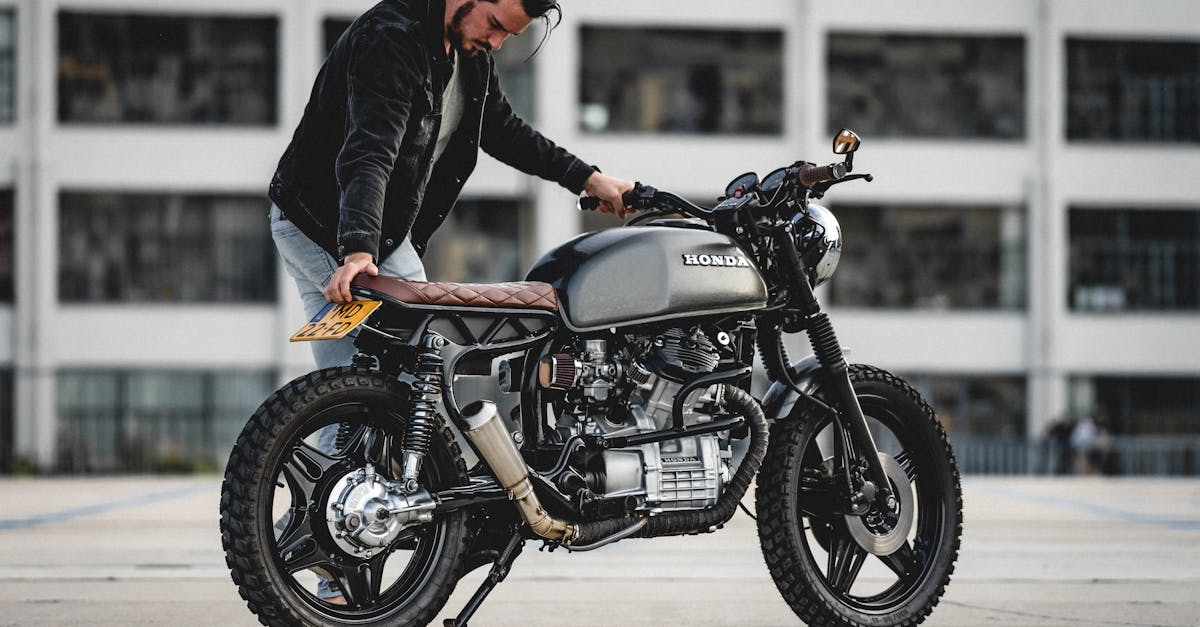
Silent Crisis Facing Modern Motorcycle Powersports Show
— 5 min read

The modern motorcycle powersports show is losing 30% of its relevance within a year, as digital content eclipses physical attendance. This erosion stems from the rapid rise of algorithm-driven influencer videos that dominate viewer attention before any crowd gathers.
The Phantom Audience: How Motorcycles & Powersports S.R.O. Lost 30%
Digital cannibalization has become the primary threat. The 2026 SEMA show introduced a dedicated digital engagement platform that keeps visitors online three times longer than static exhibit displays, pulling attention away from traditional booths.SEMA expands 2026 show with dedicated powersports section. When exhibitors at a Motorcycle Powersports Show rely on static displays, they miss the prolonged engagement that digital platforms provide.
Enthusiast attention now fragments across livestreams, influencer walkthroughs, and private online reveals. Coordinated around marquee events such as SEMA or EICMA, these streams siphon launch momentum that once centered on a single venue. The result is a hollowed-out footfall metric that no longer predicts sales.
Traditional metrics - footfall, booth interactions, order forms - ignore a new indicator: passive digital attendance. Brands see a deceptive illusion of stability while click-through rates and media mentions for post-show coverage decline sharply. This invisible loss makes it harder to justify exhibitor spend when the actual commercial engagement is evaporating.
Key Takeaways
- Digital platforms keep visitors engaged three times longer.
- Footfall no longer predicts sales conversion.
- Influencer content can dominate before any crowd arrives.
- New metric: passive digital attendance.
- Exhibitors need integrated digital-physical strategies.
Digital Zombies & The Hollow Bike Reveal
Flagship launches now face premature exposure. The electrified Indian Motorcycle prototypes slated for late 2026 are routinely leaked online 72 hours before the official debut through global media syndication deals. By the time the physical stage opens, the novelty has already faded, turning attendees into information carriers rather than discoverers.
Brand messaging is increasingly drowned out by attendee-generated posts that focus on the "experience" rather than the engineering. After Honda released the NX500 digital press kit, user-driven spec comparisons flooded forums, shifting narrative power from the manufacturer to third-party voices. This democratization can be valuable, but it also dilutes the controlled rollout that manufacturers once commanded.
On-stage applause now carries less financial weight than a launch video that garners 500,000 concurrent views on a premier bike channel. The industry’s success metrics have migrated from award ribbons to viral upload counts, forcing ROI models to collapse under the weight of digital expectations.
To combat the zombie-like behavior of fans who parade selfies over substance, exhibitors must re-engineer the reveal process. Offering exclusive, high-resolution 3D assets to vetted press under strict embargo can restore the allure of the first physical ride, while still feeding the digital appetite.
Comparative Pathology: The Czech vs. Global Motorcycle Culture Show Gap
In the Czech Republic, motorcycle culture thrives on grassroots gatherings and hands-on craftsmanship. Yet at a major Motorcycle & Powersports S.R.O. show, these intimate traditions clash with multinational exhibitors who allocate roughly 60% of their budgets to VR immersion demos, game engines, and AR-based comparison tools that operate independent of any venue.
| Aspect | Czech Show | Global Show |
|---|---|---|
| Budget Allocation | 15% VR/AR | 60% VR/AR |
| Hands-On Time | 45 min per bike | 15 min per bike |
| Local Media Reach | Regional newspapers | Global streaming platforms |
| Digital Pass Adoption | 5% attendees | 40% attendees |
Niche content, such as deep dives into the Honda CB500X adventure platform, struggles for airtime against algorithm-favored sportbike teasers. Without a digital show extension, local specialists cannot prove the commercial viability of niche markets to budget committees.
Legacy media routes that once offered pre-show deep-dives into regional players are being eclipsed by Google Discover and TikTok aggregators. These platforms eliminate the information pipeline that elevated local stories to international headlines, starving shows of the journalistic depth that once attracted diverse audiences.
The gap is not merely financial; it is cultural. When the Czech audience sees a booth that relies heavily on AR, the tactile appreciation for metal and welds is lost, eroding the authenticity that defines the region’s motorcycle identity.
Life Support vs. True Integration: Exhibition's Three Proven Treatments
Successful shows now enforce strict "keyhole embargoes." By providing exclusive high-fidelity 3D digital assets to validated press and partners under sophisticated release waterfalls, the physical event becomes the sole source of the final sensory resolution and the first public rides. This strategy reclaims dramatic impact that digital leaks have eroded.
Exhibit design is pivoting from static beauty to "laboratory prototyping." Modular hardware - visible welders, tuner laptops, dynamic dynos - allows live updates derived from attendee input. Social media stories become a serialized narrative authored by the assembled enthusiast community, turning each day into a fresh content drop.
Show ownership models are shifting toward premier content syndication hubs. By producing and centrally licensing exclusive HD B-Roll, deeply technical spec fact sheets, and designer interview micro-documentaries, organizers capture financial value from the very digital dispersion that currently attacks their core revenue model.
For example, a recent partnership with Honda leveraged the E-Clutch extension to the Transalp for 2026, providing exclusive technical footage to a curated press pool before public release.Honda E-Clutch extends to Transalp for 2026. The controlled rollout illustrates how exclusive assets can drive both excitement and revenue.
These three treatments - embargoed assets, laboratory-style exhibits, and content syndication - form a triad that can resurrect the relevance of motorcycle powersports shows, aligning physical presence with the digital expectations of modern enthusiasts.
Simulated Scenario: The Resuscitated 2027 Motorcycles & Powersports Show
Conversion begins with a free but mandatory digital "Discovery Pass." Attendees earn algorithmic loyalty points for interacting with accredited pre-show content posted by in-person exhibitors, then unlock a one-of-a-kind scavenger hunt that offers tactile-only rewards such as limited-edition patches or test-ride vouchers.
True integration extends to remote enthusiasts in Prague, who can guide an on-site robot rig through chosen display areas using 5G-enabled control pods located in satellite brand dealerships. The robot captures product interaction data while providing remote sponsors a converted experiential sponsorship model that feeds directly back to headquarters.
Post-event life is curated through a purpose-built on-demand hub archiving not just conference videos but thousands of independently scoped model comparisons triggered by hashtag use during the event. The hub is co-owned by the promoter and content creators, permanently securing a share of the commerce and discussion the show initiates to fund its future autonomy.
By marrying mandatory digital engagement with exclusive physical experiences, the 2027 show creates a feedback loop where each digital touchpoint amplifies the value of the in-person visit, rather than replacing it. This hybrid model offers a sustainable path forward for the industry.
Frequently Asked Questions
Q: Why are traditional footfall metrics no longer reliable for powersports shows?
A: Footfall only counts physical visitors, ignoring the growing pool of passive digital attendees who consume content online without entering the venue. As digital platforms keep users engaged longer, the correlation between footfall and actual sales conversion weakens, making the metric misleading for modern events.
Q: How can embargoed 3D assets restore excitement for physical launches?
A: By providing vetted press with exclusive high-resolution 3D models under a strict embargo, manufacturers ensure that the first public reveal occurs at the show. This controlled release prevents premature leaks, preserves the surprise factor, and drives attendees to experience the product firsthand.
Q: What role does VR/AR play in the budget disparity between Czech and global shows?
A: Global exhibitors allocate a larger share of budgets - about 60% - to immersive VR/AR experiences, which attract tech-savvy audiences and sponsors. Czech shows, with lower VR/AR spending, struggle to compete for attention, leading to reduced media coverage and exhibitor interest.
Q: How does the Discovery Pass improve attendee engagement?
A: The Discovery Pass rewards participants for consuming accredited pre-show digital content and completing interactive scavenger hunts. This gamified approach increases dwell time, encourages deeper brand interaction, and translates digital loyalty points into tangible rewards that drive on-site traffic.
Q: Can remote robot rigs truly replicate the hands-on experience for distant fans?
A: While robots cannot replace the tactile feel of a bike, they allow remote fans to control display interactions, gather data, and participate in live demos. This hybrid experience bridges the gap between digital spectatorship and physical presence, adding a new revenue stream for sponsors.